Could Hating Your Body Be Making You Fat?
Day 1 of Your New Exercise Plan
Just about everyone has gone through the sudden fitness and dieting regime. You know, the one where you finally decide it’s time to change things. You’re ready to ditch the potato chips and ice cream—even dessert altogether. You have made up your mind, and you’re sticking to it. Week one sees you gorging on tons of salad and showing up at the gym 7 days a week. Maybe you cheated on Saturday, but you really needed that drink. You step on the scale at the end of the first week of your new regimen and rejoice! Two kilograms down. Many more to go.
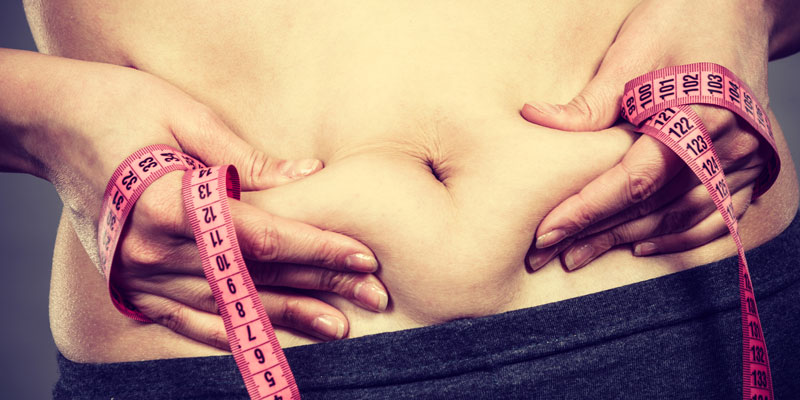
 The second week goes equally as smoothly. You feel blissfully sore in all the right places after working out. You step on the scale at the end of the week, excited to see another two kilograms go out the window. To your horror, nothing has changed. In fact, you might even be back to your original weight. You glance in the mirror, grabbing your love handles, thinking “That’s right; my body won’t change.” Stuck in a body you’ve struggled with and maybe even detested for years, with the dream of the perfect body you’ve been working towards in your head, this situation can be discouraging, to say the least.
The Hormone Your Skinny Self Hates
If this pattern has plagued you every time you diet, if you find it harder and harder to lose weight with each new attempt, it may not have as much to do with what’s going in your mouth as it does with what’s going on in your mind. When you work out too hard, count every calorie, stress out over every kilogram and detest everything you see in the mirror, you may produce more cortisol than the person who does yoga because it feels good and has a handle on her love handles.
Cortisol, often referred to as the stress hormone, plays a huge role in how your body responds to your weight loss efforts. In addition to managing your ability to deal with stress, cortisol helps regulate your appetite and digestion. It controls your blood pressure, sleep cycles and energy levels. The primary function of cortisol is to help your body store glucose for energy.
How Cortisol Keeps You Fat
 When you experience stress, your brain sends signals to the adrenal glands to begin producing more cortisol. It’s part of the fight-or-flight response. The rapid release of cortisol provides your muscles with glucose, giving them energy for the fight part of the response. It also signals to your body to move fat from storage to visceral fat cells like those around the organs and the abdomen, where cortisol receptors are greater. Chronic stress results in high blood sugar levels, insulin resistance and extra fat stores, especially in those dangerous areas. Enzymes in the visceral fat cells result in the creation of additional cortisol, even when you’re not under stress. This creates a cycle of chronic overproduction of cortisol.
Finding Balance
Most people who eat nutritious food that fuels their bodies and exercise regularly are working to balance their cortisol just with those healthy habits. In addition, people who find wellness important also tend to practice other stress-balancing activities, like yoga and meditation. People who exercise tend to sleep better, which helps regulate cortisol production.
Are these people really at risk of chronic cortisol levels? The answer is yes. When working to follow a healthy lifestyle, many people fall into the dangerous trap of becoming fixated on the process. Even though it might feel great to be so in control of your health, fitness and nutrition, those high cortisol levels that are making you feel so productive and active may be contributing to weight gain.
 Instead of concentrating on losing weight and burning calories, concentrate on finding balance. Balancing moderate exercise with rest, balancing hunger by fueling it with nutritious foods and balancing your lifestyle with enjoyable stress-control measures can do wonders for your weight. When you do what feels good, life will be more enjoyable, you’ll be less stressed and you’ll have greater control over your weight.